
Psoriasis: How Nutrition and Lifestyle Can Make a Difference
- The Nourish Project

- Oct 2, 2025
- 2 min read
Psoriasis is a long-term, immune-related skin condition that causes skin cells to multiply too quickly. Instead of shedding as they should, these cells build up, leading to patches of thickened, scaly and often itchy skin. While it’s not contagious, it can affect confidence, comfort and quality of life.

Common Symptoms of Psoriasis
Red, inflamed skin patches covered with silvery-white scales
Dry, cracked skin that may bleed
Itching, soreness or burning sensations
Thickened or ridged nails
Joint pain or stiffness (psoriatic arthritis in some cases)
Possible Root Triggers
Psoriasis is complex, and while genetics play a role, flare-ups are often linked to everyday lifestyle factors. Common triggers include:
Stress – emotional stress is one of the biggest contributors to flare-ups.
Sugar and processed foods – these can drive inflammation in the body.
Alcohol – often worsens symptoms and may reduce treatment effectiveness.
Smoking – strongly associated with flare severity.
Infections or illness – which may over-activate the immune system.
Certain medications – such as lithium, some anti-inflammatory medicines including ibuprofen.
The GP Approach
The standard medical approach usually involves topical creams (like steroid ointments), phototherapy (light therapy) and in more severe cases, oral or injectable medications that calm the immune system. These treatments can be effective in managing symptoms, but they may not always address underlying triggers.
How I Support Psoriasis Holistically
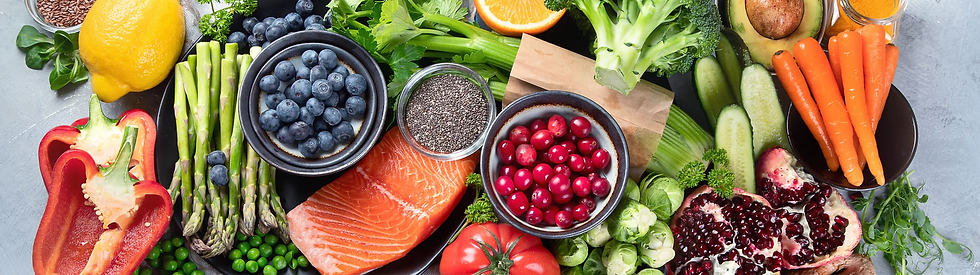
This is where a nutrition and lifestyle approach can complement medical care. Instead of just managing symptoms, the goal is to help reduce flare-ups, ease inflammation and restore balance from the inside out. Together, we would look at:
Dietary support - reducing inflammatory foods (like sugar, alcohol, processed fats) and increasing skin-supportive nutrients such as omega-3s, zinc, and antioxidants.
Improving gut health – there is a strong relationship between the gut and skin health. Gut health plays a significant role in inflammation and the immune system.
Lifestyle changes - building stress resilience with tools like sleep hygiene, mindfulness and gentle movement.
Addressing nutrient deficiencies - ensuring key nutrients for skin health, the liver and immunity are supported.
Functional testing (if appropriate) - to uncover hidden triggers, gut imbalances or sensitivities, so we can stop guessing and start targeting the root cause.
A Gentle Step Forward
If you’re living with psoriasis, know that support is available beyond creams and medications. Nutrition and lifestyle shifts can make a meaningful difference in how your skin feels and how confident you feel in it.

Are you ready to explore a more personalised approach to your psoriasis? Get in touch today to start your journey toward healthier skin and a calmer body.


Comments